But something else is watching too.
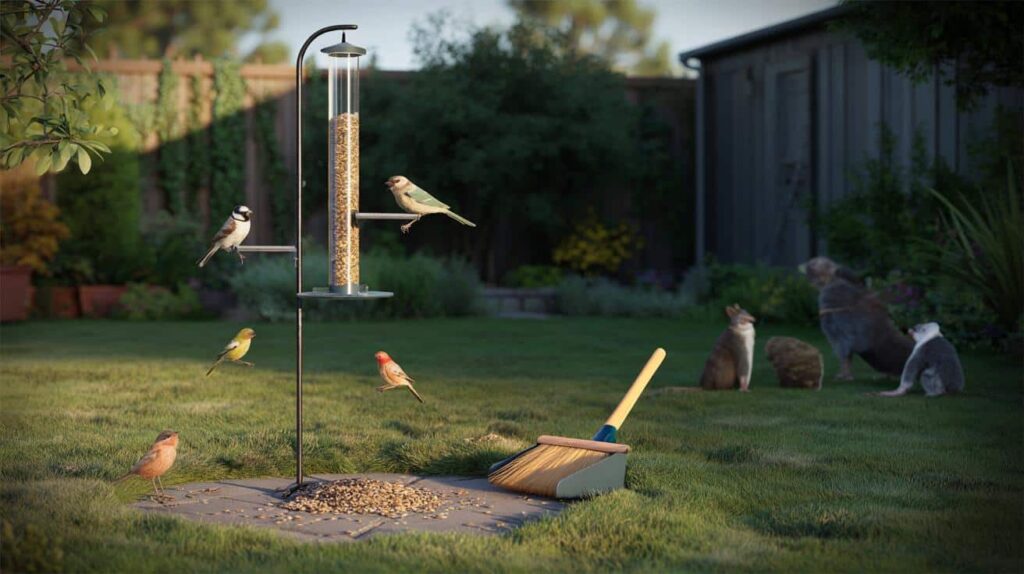
Across towns and suburbs, well-meaning bird lovers are accidentally laying on an all-you-can-eat buffet for rats. The same seeds that keep finches and robins alive through icy snaps can also draw in rodents, along with the hygiene problems and disease risks they carry. With a few smart changes, you can keep the birds coming while shutting down the rat party.
When feeding birds quietly invites a rat problem
Winter hits small birds hard. Natural food sources shrink, daylight shortens and they burn huge amounts of energy just staying warm. That is why garden feeders, especially in January and February, can genuinely save lives.

Rats don’t “appear out of nowhere” – they follow reliable food sources, and a badly managed feeder is exactly that.
Once rats clock a steady supply of grain, they rarely just take what falls under the feeder and leave. They may start nesting in sheds, garages, compost bins or under decking. Their droppings and urine can contaminate bird feeding areas and patios. And once they feel settled, getting them to move on becomes far more difficult.
The goal is not to stop feeding birds. The real issue is uncontrolled access: food on the ground, low or badly placed feeders, and generous night-time rations that stay out long after the last blackbird has gone to roost.
Turning the feeder into a fortress
A rat can jump, climb and squeeze through gaps that surprise most people. To protect your seed, you need to think in three dimensions: height, distance and the type of support you use.
Height: making the jump impossible
Rats can jump upwards by around half a metre and further if they have something to launch from. A feeder hung too low is an open invitation.
- Place hanging feeders at least 1.5–1.6 metres above the ground.
- Keep low tables and trays strictly for ground-feeding birds only if you are confident rats are not active in your area.
- Raise any low platform feeders or remove them if you notice rat activity.
A feeder high enough and far enough from launch points can become practically unreachable for rats, even if they are determined.
Distance: no handy “springboards” nearby
Height alone is not enough if the feeder sits next to a fence or branch. Rats use ledges, walls and even garden furniture as launch pads.
As a rule of thumb:
- Keep feeders at least 2 metres away from fences, walls, sheds and trees.
- Avoid putting feeders on pergolas, trellis or railings where rodents can easily climb.
- Shift decorative pots or benches that sit directly under a feeder and help rats get closer.
This “no-launch-zone” around the feeder dramatically cuts access for both rats and grey squirrels, while still allowing birds to swoop in freely.
Support: smooth, narrow, and hard to climb
Many popular stands unintentionally help rats. Rough timber posts and thick supports provide plenty of grip.
Better options include:
- A slim, smooth metal pole for hanging feeders.
- Fine metal chain instead of rope when suspending from a branch.
- Baffles – domes or cone-shaped barriers – fixed around the pole.
| Support type | Rat access | Comment |
|---|---|---|
| Thick wooden post | Easy | Great grip for claws, should be avoided. |
| Smooth metal pole | Difficult | One of the most effective options. |
| Rope or twine | Moderate | Can be climbed or gnawed. |
| Fine metal chain | Hard | Trickier for rats to descend. |
Adding a baffle can feel like overkill, but it often makes the difference between the odd visit and a regular pest problem.
The “zero waste” menu that leaves nothing on the ground
Most of what feeds rats is not what sits in the feeder but what lands underneath it. Birds are picky. They flick aside husks, cracked grains and anything they do not fancy, creating a nightly snack bar for nocturnal visitors.
Every husk on the lawn is a tiny billboard saying “free food here” to the rats patrolling after dark.
Choosing seeds birds actually eat
Cheap “wild bird mixes” often contain a lot of wheat, lentils and large pulses. Many garden birds ignore these and scatter them under the feeder.

Instead, focus on feeds that are eaten almost completely:
- Dehulled sunflower hearts – highly nutritious and leave almost no waste.
- High-quality seed mixes with minimal fillers and broken maize.
- Peanuts in mesh feeders – whole nuts in proper cages reduce crumbs.
Fat-based products can also help, as long as you choose solid, tidy options:
- Use compressed fat blocks in rigid holders, not crumbly fat balls in plastic nets.
- Pick plant-based fats without palm oil when possible, for both wildlife and environmental reasons.
The less that falls, the less there is for rats. You will probably spend slightly more per bag, but you waste far less and reduce the chance of attracting pests.
Two minutes a day that change everything
Even the best seed mix creates some debris. That is where a brief daily routine becomes your strongest defence.
Think of cleaning under the feeder as closing time at the bar: once the floor is clear, late-night visitors lose interest.
Once a day – ideally late afternoon or early evening – do a quick sweep:
- Rake or brush up shells and spilled seed under feeders.
- Empty seed-catching trays if you use them.
- Check for droppings or gnaw marks that signal growing rat activity.
On a patio or balcony, a stiff brush and dustpan are usually enough. On grass, a wide tray or platform fixed beneath the feeder can catch most of the spillage and make tidying easier.
Portion control matters too. Fill feeders with just about a day’s worth of food. If they are still half full at dusk, you are overdoing it. Birds feed in daylight; anything left overnight is effectively reserved for rodents.
Keeping the birds, not the rats, in your garden
Once you block access and cut off the constant food supply, many rats move on in search of easier pickings. That shift can happen within days or weeks, depending on how established they have become.
At the same time, a cleaner, safer feeding area benefits the birds. They face lower disease risk from droppings and mouldy, damp seed. You also reduce the chance of conflicts with neighbours who resent rodents but might otherwise blame your bird feeding.
What “rodent-proof” really means in practice
No garden can be guaranteed rat-free. Urban and suburban areas, in particular, provide countless hiding places and alternative food sources, from bins to compost.
In reality, “rodent-proof feeding” means your setup is not the easiest target in the area. Given a choice between a yard with steady ground spillage and a garden where the only seed is high, clean and hard to reach, rats will normally pick the first option.
Think in scenarios. Imagine a cold, wet night and a hungry rat leaving a sewer or railway embankment. It follows scent into your street and tries three gardens. In one, bird seed is scattered under a low table. In another, leftover pet food sits on the patio. In yours, the only food is 1.6 metres up, on a slippery pole, with nothing on the ground and nothing in reach. That small difference strongly influences where the rat decides to stay.
Extra steps for high‑risk homes
Some properties sit in spots that naturally increase rat traffic: along rivers, near restaurants, blocks of flats or old drainage systems. In those cases, feeding birds needs extra care.
- Use caged feeders that physically exclude larger animals.
- Avoid ground feeding altogether during peak rat activity periods.
- Store bird food in metal or thick plastic containers with tight lids.
- Check compost bins, chicken coops and rubbish storage, as these can undo your good work at the feeder.
For people renting or living in close-packed housing, a brief chat with neighbours can help align habits. One spotless garden surrounded by three seed-strewn patios will not fully break a rat colony’s routine.
The art is in balance: supporting urban biodiversity while refusing to run a night-time canteen for rodents. With a higher feeder, cleaner menu and two minutes of daily maintenance, the birds still get their winter feast – and the rats are forced to look elsewhere.