Brown sludge from the morning brew is quietly finding a second life in bathrooms, far away from compost heaps and bins.
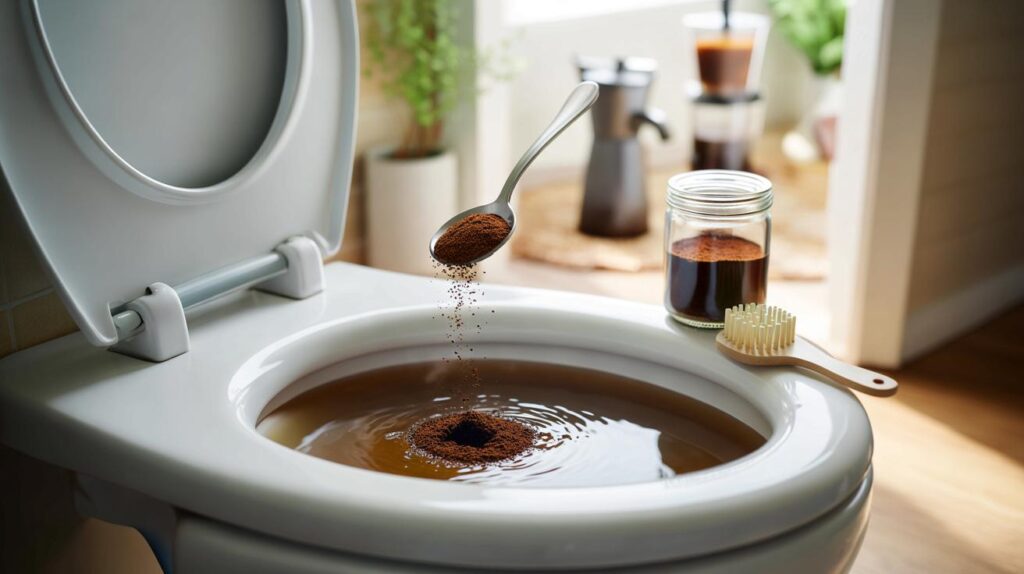
A growing number of households are sprinkling used coffee grounds straight into the toilet, claiming it freshens the bowl, tackles odours and cuts down on harsh cleaners. The trend sounds odd at first, yet it taps into two powerful instincts: saving money and wasting less.
How coffee grounds ended up in the loo
For decades, coffee grounds went straight from filter to rubbish bin, or at best to the compost pile. Now social media clips and household blogs are promoting a different route: from coffee maker to bathroom.

The idea is simple. After brewing, a spoonful of still-damp grounds is tipped into the toilet bowl, left for a short while, then scrubbed away. Fans say the method leaves the porcelain cleaner and the room smelling less like, well, a toilet.
One tablespoon of coffee grounds and a quick scrub is being sold as the “lazy person’s” eco toilet cleaner.
The appeal fits neatly into a broader shift toward homemade, low-waste cleaning tricks. People who already reuse glass jars and mix vinegar sprays are now asking: if coffee grounds work on pans and garden soil, why not the bathroom too?
Why people swear by coffee in the toilet
The gentle scrubbing effect
Used coffee grounds have a fine, gritty texture. On a microscopic level, those tiny particles act like a very mild abrasive. That can help loosen light stains inside the bowl, especially the faint ring that builds up between deep cleans.
Unlike scouring powders packed with chemicals, the grounds are soft enough that they are unlikely to scratch glazed ceramic surfaces.
The grainy texture of coffee grounds behaves like a soft scouring powder that many people already feel comfortable handling in the kitchen.
Home guides often recommend pairing the grounds with a silicone toilet brush rather than a traditional bristled version. Silicone bristles tend to hold less dirt and are easier to rinse, so the mix of coffee and residue is less likely to cling to the brush itself.
Odour control in the bathroom
Coffee has a distinctive smell, but used grounds also have a useful property: they can bind certain odour molecules. That is why open bowls of coffee grounds are sometimes suggested for fridges or shoe cabinets.
Advocates say that when a spoonful is dropped into the toilet bowl, the grounds help dull the smell of stagnant water and light organic residues. Some households even scatter a small amount in the toilet before guests arrive, giving the room a faint coffee scent instead of harsher chemical fragrances.
A holiday trick for still water
One hack doing the rounds targets a very specific moment: just before a trip away. Supporters suggest adding a spoon of grounds to the toilet and leaving it unflushed while the household is empty.
The reasoning is that, during several days of non-use, the grounds will sit in the bowl and trap some of the smells that would otherwise build up in standing water.
Whether that benefit is dramatic or minor is hard to measure, but the method has become part of many “before you leave for holiday” checklists shared online.
The big objection: what about the pipes?
Not everyone is excited about turning the toilet into a coffee disposal point. Plumbers and some agricultural publications in Germany have warned against rinsing grounds through household plumbing.
Coffee grounds can swell, cling to other residues and settle in curved pipe sections, increasing the risk of blockages over time.
The concern is not the odd teaspoon here and there, but regular, large amounts. Grounds do not fully dissolve. In older homes especially, they can combine with soap residues, fat and toilet paper to create a sticky mass that narrows pipes.
In newer systems with smooth plastic pipes and strong flushes, the risk is lower, though not zero. In small flats with already sluggish drains, any extra solid matter can become the final straw.

When you might want to skip the trend
- Homes with very old or cast-iron pipework
- Properties that have had repeated drain blockages
- Septic tanks with a history of clogging or slow drainage
- Households that already dispose of cooking grease in the sink
In these situations, reusing coffee grounds in ways that do not involve the pipe system is a safer bet. Garden beds, compost heaps or odour trays under the sink offer alternatives with almost no plumbing downside.
Smarter ways to reuse coffee grounds
Cleaning jobs outside the toilet
The scrubbing power that draws people to the bathroom can be used more safely in the kitchen. Mixed with a little dish soap, damp grounds help lift burnt-on food from pans and baking trays without harsh chemicals.
Some people also rub a small handful between their hands after chopping garlic or onions. The grounds help scrub away residue while their smell competes with strong kitchen odours.
Used grounds can act as a DIY hand scrub: they clean, exfoliate and mask clingy smells from ingredients like garlic.
They also work inside fridges: spread on a shallow plate, the grounds steadily absorb some of the mixed food smells that build up over days.
Benefits in the garden
From a gardening perspective, coffee grounds are less waste and more resource. They contain nitrogen, potassium and phosphorus, nutrients that many plants appreciate in moderate doses.
Lightly sprinkling cooled, dry grounds around vegetables such as tomatoes, cucumbers or courgettes can enrich the soil surface. Earthworms are often attracted to the organic matter, which gradually breaks down and improves structure.
There is also anecdotal evidence that a ring of grounds can discourage some pests, especially slugs and ants, although the effect tends to be modest and short-lived, especially after heavy rain.
| Use | Main benefit | Key caution |
|---|---|---|
| Toilet cleaning | Gentle scrubbing, odour masking | Potential pipe build-up with frequent use |
| Kitchen scrubbing | Removes stuck food without scratching | Rinse well to avoid staining light surfaces |
| Fridge deodoriser | Absorbs mixed food odours | Replace regularly as it becomes saturated |
| Garden fertiliser | Adds organic matter and nutrients | Do not smother soil; mix lightly |
How to use coffee grounds more safely at home
For people still tempted by the toilet trend, moderation is the key word. Rather than tipping in a whole filter’s worth, occasional use of a level tablespoon once in a while is less likely to stress the plumbing.
Pairing coffee grounds with plenty of water helps as well. Flushing twice after a scrub reduces the chance that clumps remain in the bend of the pipe. If the flush is weak, waiting for the cistern to refill fully before flushing again can help move solids along.
Beyond the bathroom, letting grounds dry on a tray before storing them for cleaning or deodorising avoids mould. Damp piles in closed containers can start to smell stale or even grow fungus within days.
When reusing coffee grounds goes wrong
Household forums are full of cautionary tales. Some gardeners report that piling thick layers of grounds directly around plants led to a dense, crusty layer that repelled water. Others noticed that sensitive indoor plants struggled when repeatedly “fed” with pure coffee grounds rather than balanced compost.
In the bathroom, the main red flag is slower drainage or gurgling sounds after flushing. That can signal that more than coffee is building up in the pipes. Early intervention from a plumber costs less than a full blockage and floor-level flood.
A closer look at why coffee grounds smell so strong
Coffee’s odour power comes from hundreds of volatile compounds released during roasting. Even after brewing, the grounds still hold a complex mix of molecules that bind to and mask other smells.
That makes them handy for neutralising light odours, but they do not kill bacteria or remove all sources of smell. In a toilet, they are no replacement for occasional thorough cleaning with products that break down limescale and organic deposits.
Turning a daily habit into a small resource
For many households, coffee is brewed once or twice a day without a second thought. Each time, a warm pile of grounds is created and usually wasted. Redirecting at least part of that into useful tasks can shave a little off cleaning budgets and rubbish volumes.
Used with common sense, coffee grounds can support a more frugal, less chemical-heavy routine across kitchen, bathroom and garden. Whether they really belong in the toilet bowl every week is still up for debate, but the humble spoonful of brown grit has clearly gained a new, and slightly surprising, place in home life.